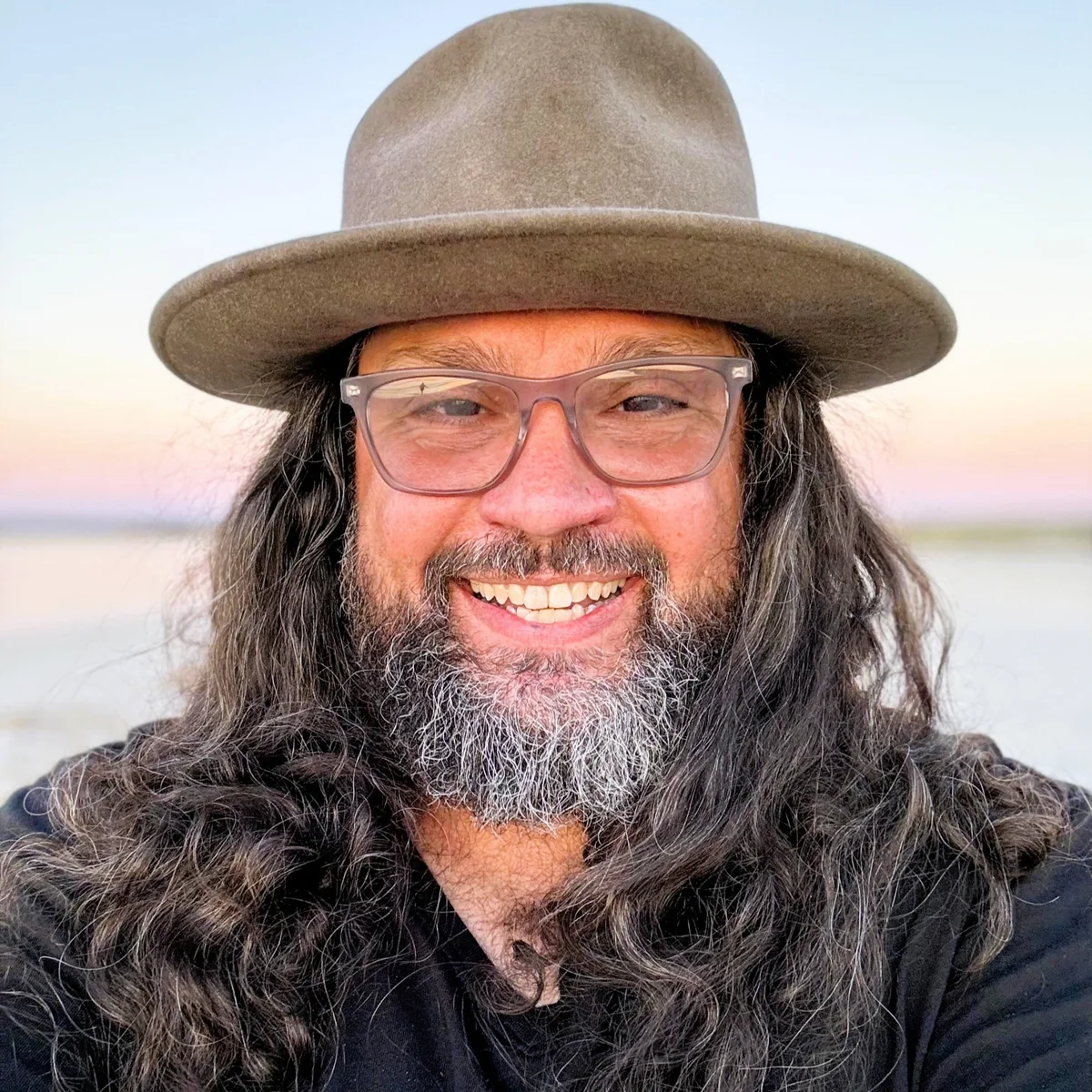
I’m George Coldham — a Cloud Solution Architect at Microsoft in the Security Solution area, based in Perth (Western Australia). I help teams reduce real-world risk in SaaS and AI-heavy environments, where generative and agentic AI amplify normal human behaviour into security incidents. My work sits at the intersection of threat protection, identity, SaaS, data protection, and automation — with a strong preference for controls that actually survive contact with humans.
Focus areas
Generative AI Security
Agentic AI Risk & Controls
Microsoft Security Copilot
AI Security Posture Management (AISPM)
AI Threat Protection & Abuse Scenarios
Prompt, Data & Model Risk
Microsoft Entra (Identity)
Microsoft Threat Protection
Browser & Session Security
SaaS Governance & OAuth Risk
Microsoft Defender XDR
Zero Trust Architecture
Cloud Security Posture Management (CSPM)
George ColdhamPerth, Australia
What I do
Now
Cloud Solution Architect
Microsoft (ANZ)
Partner with enterprise scale organisations to design and improve security outcomes across threat protection, identity, data, devices and cloud. I focus on the modern control plane: OAuth consent, session/token abuse, unmanaged browsers, and how AI tools accelerate productivity but could enable risky behaviour.
Ongoing
Speaker & community organiser
Global Security Community · Perth Global AI Community · Perth Microsoft Security Meetup · Perth GitHub Meetup
I present locally and internationally on emerging security topics, helping practitioners understand how new technologies and AI change risk at scale. I also build and enable professional communities — either by bringing practitioners together directly, or by creating repeatable formats and resources that others can reuse to run sustainable communities.
Always
Builder mindset
Automation, demos, and “show me” security
I like security that you can prove. I build small tools and repeatable workflows (often using Microsoft-first approaches) to document configuration, detect drift, and turn tribal knowledge into something you can hand to the next person without a two-hour meeting.